
When I first started out as a massage therapist, I was young and full of energy. I believed I could work as many hours as I wanted without feeling overworked. At the time, there weren’t as many clinics around. I had to travel at least an hour to get to work, carrying my own sheets with me. I worked at the only chiropractic clinic nearby, treating eight patients a day, four days a week. I was the only massage therapist there.
After just three months, I didn’t want to work there anymore. I felt exhausted all the time and completely unmotivated. I didn’t have the patience to deal with difficult clients, and eventually, I decided to look for a new clinic. Six months later, I made the switch.
I found a clinic closer to home, with at least five other massage therapists on staff. They taught me valuable lessons—how to slow down, take breaks between workdays, and prioritize self-care. They encouraged me to exercise, eat healthier, and maintain a balanced lifestyle. Having support from fellow massage therapists made a huge difference. In the beginning, I felt alone—I didn’t know how to manage the physical and emotional strain that came with the job.
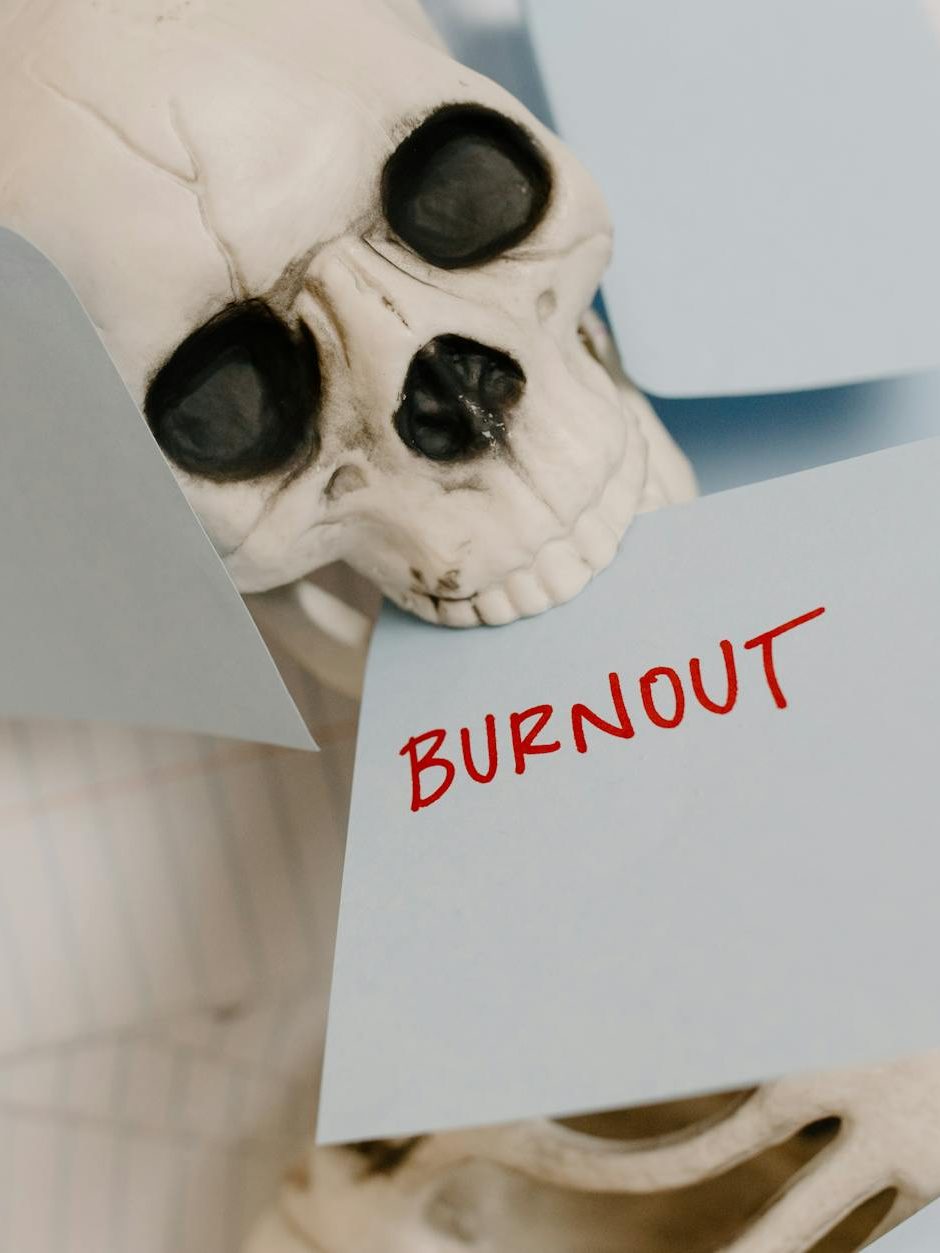
Months later, I finally realized that what I had experienced was burnout.
Massage therapy is both physically and mentally demanding. For many new therapists, burnout is a real risk, especially in the first few years of practice. You’re still adjusting to the physical effort involved in treatments, and the emotional weight of caring for others can add up quickly.
The Importance of Self-Care
One of the most common causes of burnout is working too many hours without taking care of yourself. During busy seasons, it’s easy to forget about your own needs. Our instructors always reminded us to prioritize self-care to prevent injury and burnout—but that advice is easy to ignore when you’re in the thick of it.
Exercise is essential for your health and well-being. Make time for regular workouts—not just for your body, but for your mind, too. Physical activity helps relieve stress, boosts energy, and keeps you strong for the demands of the job.
Set Boundaries and Take Breaks
During busy periods, avoid overbooking yourself. Know your limits and stick to them. Schedule short breaks between appointments or take a longer lunch to recharge. If you’re working full-time, make sure you have at least one day off each week to rest.
Learning to say no is a critical skill. If you’re mentally or physically exhausted, it’s okay to turn down extra work. Overextending yourself is unfair to both you and your clients. When you’re too tired, you can’t deliver the quality care your clients deserve.
Personally, I don’t believe in doing a half-assed job (pardon my language)—my clients deserve my best.
Prioritize Family and Downtime
After a long and exhausting day, it’s okay to ignore the laundry, dishes, or your to-do list. Don’t feel guilty for not being “on top of it all.” Those things can wait.
The most important thing is that you have the energy to be present with your family, even if it just means pretending to listen to their stories at the end of the day. Presence matters more than perfection.
Dealing with Difficult Clients
Handling difficult clients is part of the job—but don’t take it personally.
If a client isn’t happy with your treatment, try not to let it get to you. If they keep coming back, that means they value something about your care. Remember, sometimes people are just having a bad day—and their mood isn’t a reflection of your work.
Do your best during each session. If a client doesn’t respond well to your approach, consider referring them to another therapist who may be a better fit. You won’t be the right therapist for everyone, and that’s okay.
In the beginning, I used to beat myself up if a client didn’t rebook or made a complaint. I would constantly ask myself what I did wrong. But over time, I learned that not everyone will connect with my style—and that’s normal. I’ve improved my communication, learned to let go, and now I focus on serving the clients who do resonate with my work.
Take Care of Yourself
You don’t have to please everyone, and it’s okay to take a step back when you need to. Burnout is real, but with self-care, boundaries, and honest communication, you can build a long, fulfilling, and sustainable career as a massage therapist—without sacrificing your health or happiness.


Leave a comment